
Delving into Discovery Car Price Secrets: How UK Dealers Set Their Figures, this introduction immerses readers in a unique and compelling narrative. It explores the intricacies of car pricing in the UK, shedding light on the strategies and tactics employed by dealers to determine their figures.
From understanding the factors that influence car prices to exploring negotiation tactics and the importance of transparency, this discussion offers a comprehensive look into the world of car pricing in the automotive industry.
Understanding Car Pricing
Car prices in the UK are determined by various factors that dealers take into consideration when setting their figures. These factors can include the cost of the vehicle, market demand, competition, and other economic conditions.
Factors Influencing Car Pricing
- The cost of the vehicle: Dealers consider the wholesale price they paid for the car, along with any additional costs such as shipping and taxes.
- Market demand: Popular models or limited edition vehicles may be priced higher due to increased demand from customers.
- Competition: Dealers need to stay competitive with their pricing to attract customers and stand out in the market.
- Economic conditions: Factors such as inflation, interest rates, and currency exchange rates can also impact car pricing.
The Importance of Competitive Pricing
Setting competitive prices in the automotive industry is crucial for dealers to attract customers and drive sales. By offering competitive pricing, dealers can differentiate themselves from competitors and appeal to budget-conscious consumers.
Role of Supply and Demand
Supply and demand play a significant role in determining car prices. When there is high demand for a particular vehicle and limited supply, dealers may increase prices to capitalize on the market conditions. On the other hand, when supply exceeds demand, prices may be lowered to entice buyers and move inventory.
Strategies for Setting Car Prices

Setting car prices is a crucial aspect of the automotive industry, and UK dealers employ various strategies to determine the prices of their vehicles. These strategies often involve a delicate balance between profit margins and staying competitive in the market.
Common Pricing Strategies
- Markup Pricing: Dealers add a certain percentage or fixed amount on top of the cost price to set the selling price. This strategy helps dealers ensure a profit margin on each sale.
- Penetration Pricing: Some dealerships may set lower prices initially to attract customers and gain market share. As the demand increases, they may gradually increase prices.
- Psychological Pricing: Dealers utilize pricing tactics based on psychological triggers, such as setting prices at £19,999 instead of £20,000 to make the price seem more attractive to customers.
Comparing Pricing Strategies
- Markup vs. Penetration: Markup pricing focuses on profitability per unit sold, while penetration pricing aims to capture market share through lower prices.
- Psychological vs. Competitive: Psychological pricing may create a perception of value for customers, while competitive pricing ensures dealers remain competitive in the market.
Market Research and Pricing
Dealers heavily rely on market research to understand consumer preferences, competitor pricing, and market trends. By conducting thorough market research, dealers can make informed decisions when setting car prices, ensuring they meet customer demands while maintaining profitability.
Transparency in Car Pricing
Transparency in car pricing refers to the practice of openly disclosing all relevant information regarding the pricing of vehicles to customers. This includes factors such as base price, taxes, fees, and additional charges, allowing consumers to make informed decisions without hidden costs.
Benefits of Transparent Pricing for Consumers
- Empowers consumers to compare prices across different dealerships and make informed purchasing decisions.
- Builds trust between customers and dealerships, leading to long-term relationships and customer loyalty.
- Reduces the likelihood of unexpected costs or hidden fees, resulting in a more positive buying experience.
Practices Promoting Transparency in the Automotive Industry
- Providing detailed breakdowns of pricing components, including MSRP, dealer fees, taxes, and any additional charges.
- Offering price-matching guarantees to ensure customers receive fair and competitive pricing.
- Utilizing online pricing tools and calculators for customers to estimate costs before visiting the dealership.
Impact of Transparent Pricing on Customer Trust and Loyalty
- Enhances customer trust by demonstrating honesty and integrity in pricing practices.
- Fosters long-term customer loyalty as individuals are more likely to return to dealerships that prioritize transparency.
- Improves overall customer satisfaction and positive word-of-mouth referrals, leading to increased business growth.
Negotiation Tactics and Secrets
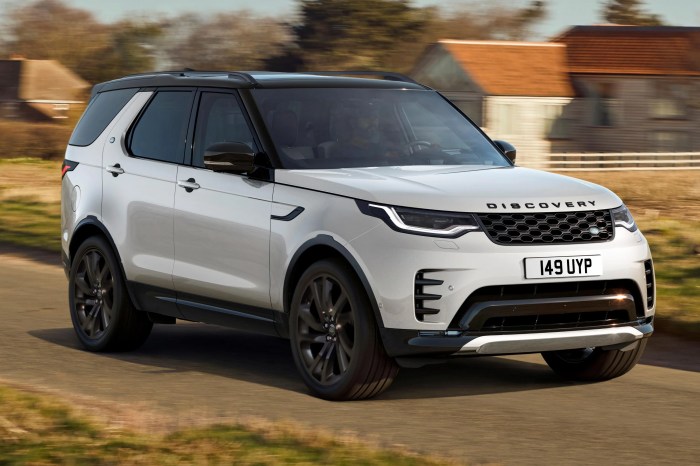
When it comes to negotiating car prices, dealers often have a few tricks up their sleeves to get the best deal for themselves. Understanding these tactics can help consumers level the playing field and negotiate more effectively.
Leveraging Information to Negotiate Better Deals
- Research the market value of the car you're interested in to have a clear understanding of a fair price range.
- Get quotes from multiple dealerships to create competition and leverage for negotiation.
- Be aware of any special promotions, incentives, or rebates that can be used to lower the price.
Tips for Effective Negotiation
- Start with a lower offer than you're willing to pay to give yourself room for negotiation.
- Stay firm and be willing to walk away if the dealer is not meeting your price expectations.
- Focus on the total cost, including any add-ons or fees, rather than just the sticker price.
Psychology Behind Negotiation
Dealers may use tactics like time pressure, flattery, or creating a sense of urgency to push you into making a quick decision.
Understanding these tactics can help you stay composed and in control during the negotiation process.
Final Summary
In conclusion, the exploration of Discovery Car Price Secrets: How UK Dealers Set Their Figures unveils the complex web of factors that contribute to the pricing of cars. By understanding these secrets, consumers can navigate the car buying process with confidence and knowledge, ensuring they get the best deal possible.
Questions Often Asked
How do dealers in the UK determine car prices?
Dealers in the UK consider factors such as market demand, supply, competition, and the car's condition to determine prices.
What are some common pricing strategies used by UK dealers?
UK dealers often employ strategies like cost-plus pricing, value-based pricing, and psychological pricing to set their figures.
Why is transparency important in car pricing?
Transparency in car pricing builds trust with consumers, enhances loyalty, and ensures fair dealings in the automotive industry.
How can consumers negotiate better deals with dealers?
Consumers can leverage information, conduct market research, and be prepared to walk away to negotiate better deals with dealers.
What impact does negotiation have on the car buying process?
Negotiation plays a key role in securing favorable prices for consumers and understanding the psychology behind it can lead to successful deals.