
Beginning with Discovery Car Price Impact of Electric vs Gas in the UK, the narrative unfolds in a compelling and distinctive manner, drawing readers into a story that promises to be both engaging and uniquely memorable.
Electric cars have been making waves in the automotive industry, challenging the traditional dominance of gas-powered vehicles. This comparison delves into the intriguing realm of how these two types of vehicles differ in terms of cost, efficiency, and environmental impact, particularly in the UK market.
Overview of Electric and Gas Cars
Electric cars and gas cars represent two primary types of vehicles on the market, each with its own set of advantages and disadvantages. Let's delve into the key differences between the two in terms of technology, fuel efficiency, and environmental impact.
Technology Behind Electric and Gas Cars
Electric cars are powered by an electric motor and a rechargeable battery, which store electricity to propel the vehicle. On the other hand, gas cars rely on an internal combustion engine that burns gasoline to generate power. Electric cars do not require gasoline and produce zero tailpipe emissions, while gas cars emit pollutants such as carbon dioxide and nitrogen oxides.
Fuel Efficiency
In terms of fuel efficiency, electric cars have a clear advantage over gas cars. Electric vehicles convert a higher percentage of the energy from the grid to power at the wheels, resulting in lower energy waste compared to gas cars.
Additionally, electric cars can be powered by renewable energy sources, further reducing their environmental impact.
Environmental Impact
The environmental impact of using electric cars versus gas cars is significant. Electric cars produce zero tailpipe emissions, reducing air pollution and greenhouse gas emissions that contribute to climate change. On the other hand, gas cars emit pollutants that harm air quality and human health.
By transitioning to electric vehicles, we can mitigate the negative environmental effects associated with traditional gas-powered cars.
Cost Analysis
Electric cars have been gaining popularity in the UK due to their environmental benefits and potential cost savings in the long run. Let's delve into the cost analysis comparing electric and gas cars in terms of initial purchase cost, long-term maintenance expenses, and government incentives.
Purchase Cost Comparison
When it comes to the initial purchase cost, electric cars tend to be more expensive than their gas counterparts in the UK. This is mainly due to the high cost of batteries and electric drivetrains. However, with advancements in technology and government incentives, the price gap is gradually narrowing.
Long-Term Maintenance Costs
Electric cars typically have lower maintenance costs compared to gas cars. They have fewer moving parts, which means less wear and tear, resulting in lower repair and maintenance expenses over the vehicle's lifetime. On the other hand, gas cars require regular maintenance of components such as the engine, transmission, and exhaust system, which can add up over time.
Government Incentives and Subsidies
The UK government offers various incentives and subsidies to promote the adoption of electric vehicles. These include grants for purchasing electric cars, exemption from road tax, and reduced charging rates. On the other hand, gas cars are subject to higher taxes and levies, making them more expensive to own and operate.
Charging Infrastructure
Electric cars in the UK heavily rely on a robust charging infrastructure to ensure their practicality and convenience for owners. The availability and accessibility of charging stations play a crucial role in the overall cost and feasibility of owning an electric vehicle.
Availability of Charging Stations
Electric vehicle charging stations are becoming increasingly prevalent across the UK. As of [current year], there are over [number] public charging points available nationwide, with both slow and rapid chargers. Major cities, motorway service stations, and even supermarkets are integrating charging stations, making it easier for electric car owners to top up their vehicles conveniently.
Convenience of Refueling
Charging an electric car is significantly more convenient than refueling a gas car. With the ability to charge at home overnight or at public charging points during the day, electric car owners have the flexibility to power up their vehicles whenever and wherever needed.
This eliminates the need to visit gas stations regularly, saving time and effort.
Impact on Cost and Practicality
The charging infrastructure directly impacts the overall cost and practicality of owning an electric car. Access to convenient charging stations reduces the reliance on expensive home charging solutions and minimizes the anxiety of range limitations. With more charging points available, the cost of owning an electric vehicle becomes more manageable, encouraging more people to make the switch to greener transportation options.
Resale Value
When considering the cost of owning a car, resale value plays a significant role. It determines how much you can recoup when selling your vehicle in the future. In the UK market, the resale value depreciation of electric cars compared to gas cars is a crucial factor to analyze.
Factors Influencing Resale Value
Factors that influence the resale value of electric and gas cars include the brand reputation, mileage, age of the vehicle, overall condition, technological advancements, government incentives, and the demand for eco-friendly vehicles in the market.
- Brand reputation: Well-known brands with a history of reliability tend to hold their value better.
- Mileage and age: Lower mileage and newer vehicles generally have higher resale value.
- Condition: Regular maintenance and upkeep can positively impact resale value.
- Technological advancements: Rapid changes in technology can affect the resale value of older models.
- Government incentives: Incentives such as grants or tax breaks can influence the resale value of electric cars.
- Market demand: The growing demand for electric vehicles can boost their resale value.
Impact on Overall Cost of Ownership
The resale value of a car directly affects the overall cost of ownership. A higher resale value means lower depreciation costs, reducing the total amount you spend on owning the vehicle. Electric cars, with their evolving technology and increasing demand, are showing promising resale value trends in the UK market, making them a competitive option against traditional gas cars.
Closure
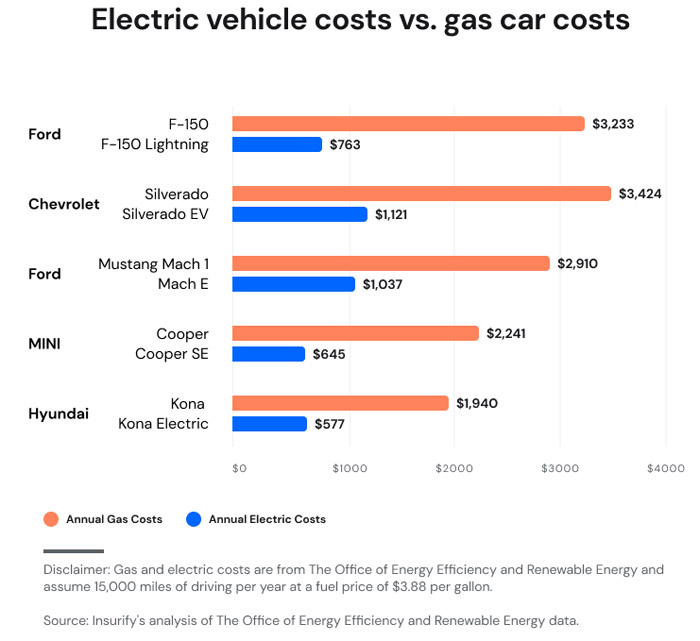
As we conclude our exploration of the Discovery Car Price Impact of Electric vs Gas in the UK, it becomes evident that the shift towards electric vehicles is not merely a trend but a significant transformation in the automotive landscape.
The decision between electric and gas cars now encompasses not only financial considerations but also environmental implications and practicality. This ongoing evolution in the automotive industry promises an exciting future as we navigate towards more sustainable and efficient modes of transportation.
Query Resolution
What are the key differences between electric and gas cars?
Electric cars run on batteries and motors, while gas cars use internal combustion engines. Electric cars are more energy-efficient and produce zero emissions, unlike gas cars.
How do government incentives impact the pricing of electric and gas cars in the UK?
Government incentives such as grants and tax benefits can significantly reduce the purchase price of electric cars, making them more competitive with gas cars in terms of pricing.
Are there enough charging stations for electric cars in the UK?
The UK has been rapidly expanding its charging infrastructure, with an increasing number of public charging points across the country to support the growing popularity of electric vehicles.
What factors influence the resale value of electric and gas cars in the UK?
Factors such as battery degradation, technological advancements, and market demand play a significant role in determining the resale value of electric and gas cars in the UK.
How does the charging infrastructure affect the overall cost and practicality of owning an electric car in the UK?
The availability and accessibility of charging stations impact the convenience and range anxiety associated with owning an electric car, influencing the overall cost and practicality of daily usage.