
Discount Car Insurance Quotes: Using Telematics to Lower Premiums in Australia sets the stage for this enthralling narrative, offering readers a glimpse into a story that is rich in detail with a casual formal language style and brimming with originality from the outset.
Telematics in car insurance is a game-changer, revolutionizing how premiums are calculated and offering drivers a way to save on costs. This guide delves into the world of telematics in car insurance, shedding light on how it benefits both insurers and policyholders alike.
Introduction to Telematics in Car Insurance
Telematics in car insurance refers to the use of technology to monitor and track a driver's behavior behind the wheel. This innovative approach allows insurance companies to collect valuable data on how a driver operates their vehicle, leading to more personalized and fair insurance premiums.
How Telematics Devices Work
Telematics devices are typically small gadgets installed in vehicles that record various driving habits such as speed, acceleration, braking, and cornering. These devices use GPS technology to track the location and movements of the vehicle, providing insurers with real-time data on the driver's behavior.
- Telematics devices collect data on driving habits
- GPS technology tracks location and movements of the vehicle
- Real-time data provides insight into the driver's behavior
By analyzing this data, insurance companies can assess the risk profile of individual drivers more accurately.
Benefits of Using Telematics
Using telematics to monitor driving behavior offers several benefits to both insurance companies and policyholders. For drivers, it can lead to lower insurance premiums based on their actual driving habits rather than general demographics.
- Personalized premiums based on driving behavior
- Incentives for safe driving practices
- Potential discounts for low-risk drivers
Importance of Telematics for Car Insurance in Australia
Telematics technology is increasingly gaining popularity among insurers in Australia due to its ability to provide accurate data on individual driving habits. This data allows insurers to tailor premiums based on actual driving behavior, rather than relying on general demographics or statistics.
Customized Premiums
Telematics enables insurers to track specific driving behaviors such as speed, acceleration, braking, and cornering. By analyzing this data, insurers can offer personalized premiums to policyholders based on their individual driving habits. This not only rewards safe drivers with lower premiums but also incentivizes others to improve their driving behavior to lower their insurance costs.
Reducing Risky Driving Behavior
The use of telematics in car insurance has been shown to positively impact road safety by discouraging risky driving behavior. When drivers are aware that their driving habits are being monitored, they are more likely to drive cautiously and adhere to traffic rules.
This can lead to a decrease in accidents, injuries, and fatalities on the roads, benefiting both insurers and the wider community.
Obtaining Discount Car Insurance Quotes with Telematics
Telematics technology has revolutionized the way car insurance quotes are calculated, allowing drivers to potentially lower their premiums based on their driving behavior. By using telematics devices that track driving habits such as speed, braking, and mileage, insurance companies can offer personalized quotes that reflect an individual's actual risk profile on the road.
Comparing and Choosing the Best Telematics-based Insurance Policy
Telematics-based insurance policies vary between providers, so it's essential to compare different options to find the best fit for your needs. Here are some tips on how to choose the right telematics-based insurance policy:
- Compare Coverage Options: Look at the coverage offered by each policy to ensure it meets your requirements. Some policies may offer additional benefits such as roadside assistance or accident forgiveness.
- Review Premium Costs: While telematics-based insurance can lead to discounts, it's crucial to compare the overall cost of the policy, including any additional fees or charges.
- Check App and User Experience: Evaluate the usability of the telematics app provided by the insurance company. A user-friendly interface and clear feedback on driving behavior can enhance your experience.
- Consider Privacy Concerns: Understand how your data will be used and shared by the insurance company. Ensure that your privacy is protected and that you are comfortable with the data collection process.
Choosing the right telematics-based insurance policy involves a balance between cost savings and coverage benefits tailored to your driving habits.
Influence of Telematics Data on Premium Calculation
Telematics data plays a significant role in determining the premiums for car insurance policies. Insurance companies analyze the driving behavior data collected by telematics devices to assess the level of risk posed by the policyholder. Factors such as smooth acceleration, adherence to speed limits, and safe driving practices can lead to lower premiums, reflecting a lower risk profile.
- Safe Driving Rewards: Drivers who demonstrate safe driving habits through telematics data may be eligible for discounts and rewards from insurance companies.
- Personalized Pricing: Telematics allows for personalized pricing based on individual driving behavior, shifting away from traditional risk factors such as age or location.
- Adjustment of Premiums: Insurers can adjust premiums in real-time based on the driving data collected, providing an incentive for policyholders to maintain safe driving practices.
Telematics Implementation by Insurance Companies
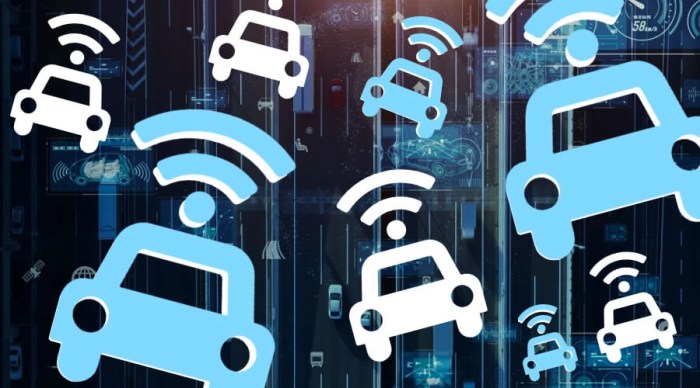
Telematics implementation by insurance companies involves the use of technology to collect and analyze data on policyholders' driving behavior. This data is then used to adjust premiums based on individual risk profiles, incentivizing safe driving practices.
Role of Telematics Apps or Devices in Collecting Driving Data
Telematics apps or devices are installed in vehicles to collect data on various driving parameters such as speed, acceleration, braking, and cornering. These devices use GPS, accelerometers, and sensors to track and record driving habits in real-time.
- Telematics devices monitor driving behavior, providing insights into factors that affect road safety and accident risk.
- Apps collect data on distance traveled, time of day, and routes taken, allowing insurers to assess risk levels accurately.
- Driving data is transmitted to insurance companies securely, ensuring privacy and compliance with data protection regulations.
How Insurers Use Telematics Information to Adjust Premiums in Real-Time
Insurers use telematics data to personalize insurance premiums based on policyholders' actual driving behavior. By analyzing this data, insurers can offer discounts to drivers who exhibit safe driving habits and charge higher premiums to those with riskier behaviors.
Telematics allows insurers to move away from traditional rating factors and offer more accurate pricing based on real-time data.
- Insurers can track driving patterns and provide feedback to policyholders, encouraging safer driving practices and reducing the likelihood of accidents.
- Real-time adjustments to premiums based on driving behavior create a fairer insurance system that rewards responsible drivers.
- Telematics also enables insurers to identify trends in driving behavior and develop targeted interventions to improve road safety.
Final Review
As we conclude this exploration of telematics in car insurance, it becomes evident that leveraging technology to lower premiums is not just a trend but a smart financial move for drivers in Australia. By understanding how telematics works and its impact on insurance quotes, individuals can make informed decisions that lead to substantial savings in the long run.
General Inquiries
What is the main purpose of telematics in car insurance?
Telematics in car insurance aims to track and analyze driving behaviors to offer personalized insurance premiums based on individual habits.
Can telematics really help in reducing insurance costs?
Yes, by promoting safer driving practices and providing data-driven insights, telematics can lead to discounts and lower premiums for drivers.
How do insurance companies adjust premiums using telematics data?
Insurers use telematics data to monitor driving patterns and adjust premiums accordingly, rewarding safe drivers with lower rates.